Skill Certification Benefits: Why Credentials Matter in Today’s Job Market
In an increasingly competitive and skills-driven job market, formal education alone is often not enough to stand out. Skill certifications have become a powerful way for professionals to validate their expertise, improve career prospects, and stay relevant in fast-changing industries. These certifications demonstrate practical knowledge and provide measurable proof of competence, making them valuable for both employees and employers.
What Is a Skill Certification?
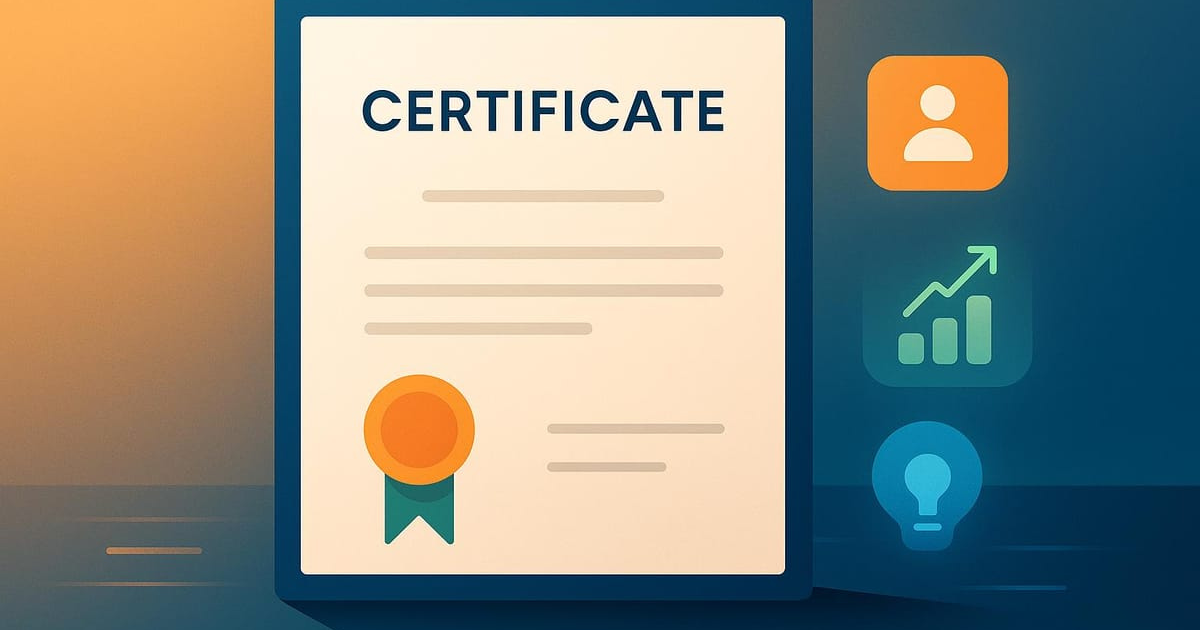
A skill certification is an official credential awarded after an individual completes a course or passes an assessment that verifies their proficiency in a specific skill or subject area. Certifications are typically issued by professional organizations, industry bodies, or recognized training institutions. They can cover a wide range of fields, including technology, finance, healthcare, project management, marketing, and more.
Unlike traditional degrees, skill certifications are usually focused, practical, and designed to meet current industry needs.
Key Benefits of Skill Certification
1. Enhanced Employability
One of the biggest benefits of skill certification is improved job prospects. Employers often prefer candidates with certified skills because certifications reduce uncertainty during hiring. They serve as proof that the candidate has met industry standards and possesses the required knowledge to perform the job effectively.
2. Career Advancement Opportunities
Certifications can help professionals qualify for promotions, leadership roles, or specialized positions. Many organizations use certifications as benchmarks for career progression. By earning recognized credentials, professionals can demonstrate commitment to growth and readiness for greater responsibility.
3. Higher Earning Potential
Certified professionals often earn higher salaries compared to their non-certified peers. Certifications can strengthen salary negotiations by providing objective evidence of expertise. In fields such as information technology, finance, and project management, certifications are closely linked to higher compensation and better benefits.
4. Skill Validation and Credibility
Certifications validate skills in a standardized way, increasing professional credibility. They show that an individual’s knowledge has been assessed and approved by a recognized authority. This is particularly important in technical or regulated industries where accuracy and compliance are critical.
5. Staying Relevant in a Changing Market
Industries evolve rapidly due to technological advancements and changing business practices. Skill certifications help professionals keep up with new tools, frameworks, and methodologies. Continuous certification ensures that skills remain relevant and aligned with current market demands.
6. Increased Confidence and Motivation
Earning a certification boosts confidence by confirming competence and mastery of a skill. This confidence often translates into improved job performance and a willingness to take on new challenges. Certifications also motivate individuals to engage in lifelong learning and self-improvement.
Benefits for Employers
Skill certifications are not only beneficial for individuals but also valuable for organizations. Certified employees tend to be more productive, knowledgeable, and efficient. Certifications help employers maintain quality standards, reduce training costs, and build trust with clients. In some industries, having certified staff is essential for regulatory compliance and competitive positioning.
Choosing the Right Certification
To maximize benefits, professionals should choose certifications aligned with their career goals and industry requirements. It is important to research the credibility of the certifying organization, the relevance of the curriculum, and the recognition of the certification among employers. Certifications that include practical assessments and regular updates tend to provide the most value.
Conclusion
Skill certifications offer a practical and effective way to enhance career growth, increase credibility, and stay competitive in the modern workforce. They bridge the gap between education and real-world application by validating skills that employers value most. For bloggers, discussing the benefits of skill certification helps readers understand the importance of continuous learning and encourages proactive career development in an evolving job market.