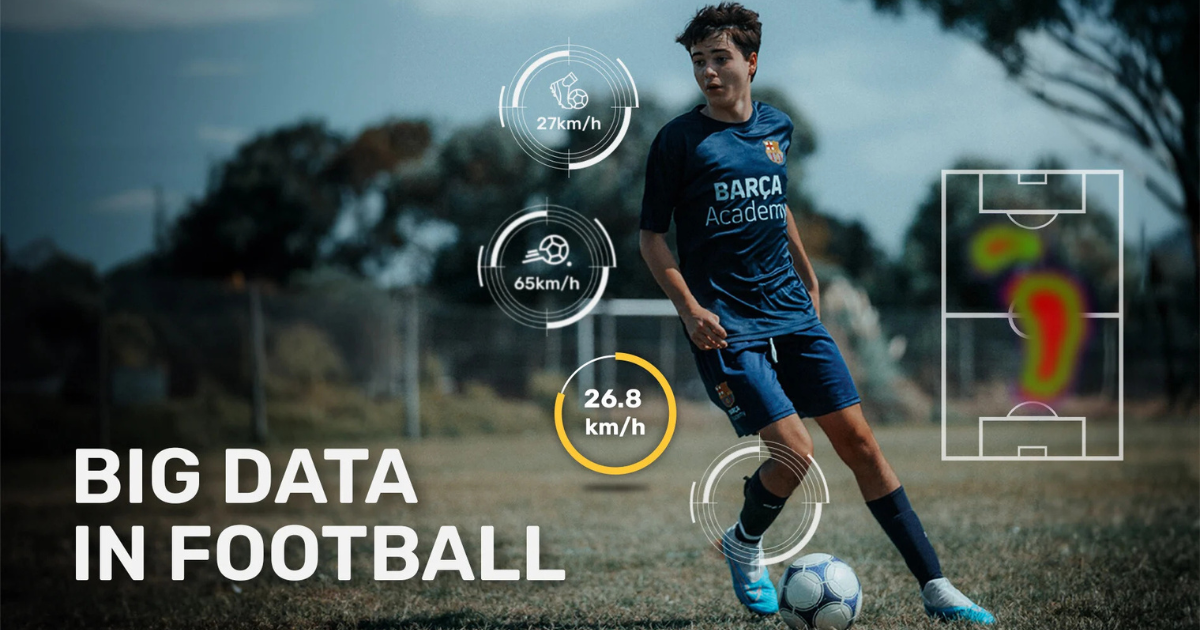
In the past, football scouting relied mainly on instinct, experience, and observation. Scouts would watch games, take notes, and make decisions based on what they saw. But today, the game has changed dramatically. With the rise of analytics and big data, football scouting has become more scientific, precise, and efficient than ever before.
The Rise of Data-Driven Scouting
The football industry now collects massive amounts of data every match — from player positioning and sprint speed to passing accuracy and expected goals (xG). This information allows clubs to measure performance in ways that were once impossible.
Instead of relying purely on intuition, scouts now use data tools to:
-
Identify hidden talent across leagues worldwide.
-
Analyse player performance consistency over time.
-
Compare players based on objective metrics.
-
Predict how a player might adapt to a team’s playing style.
This analytical revolution has made recruitment more reliable and reduced the financial risks of signing new players.
What Kind of Data Is Collected?
Football analytics involves a range of data types, such as:
-
Tracking Data: Captures player movement through GPS and cameras to monitor distance covered, acceleration, and positioning.
-
Event Data: Records every pass, shot, tackle, and interception during a match.
-
Biometric Data: Measures physical health, fatigue, and recovery levels.
-
Psychological Metrics: Some systems even assess a player’s mental resilience and decision-making under pressure.
By combining these insights, clubs can build a detailed picture of a player’s strengths, weaknesses, and potential growth areas.
How Clubs Use Analytics in Scouting
-
Finding Undervalued Players
Smaller clubs can use data to discover players who perform well statistically but are overlooked by big teams. This “Moneyball” approach has helped clubs like Brentford and Brighton build competitive squads on limited budgets. -
Player Compatibility Analysis
Data helps teams assess whether a player’s style matches the manager’s tactics. For instance, a striker with high xG but low pressing intensity might not suit a high-pressing team. -
Injury and Load Management
Predictive analytics can estimate injury risk based on workload, reducing time lost to muscle injuries and improving squad availability. -
Youth Development Tracking
Data helps academies monitor progress among young players, tracking development in technical and physical metrics over time.
Tools and Technologies Behind the Data
Leading analytics providers like Opta, StatsBomb, Wyscout, and Hudl have transformed how clubs scout and evaluate players. They offer in-depth dashboards, heat maps, and visual reports that scouts and analysts use daily.
Meanwhile, AI and machine learning models now help predict player success based on performance trends — offering insights that go beyond human observation.
Case Studies: Clubs Leading the Data Revolution
-
Brentford FC and Brighton & Hove Albion are famous for using data analytics to identify undervalued talent.
-
Liverpool FC built a world-class recruitment team using algorithms that ranked transfer targets based on data performance.
-
FC Midtjylland in Denmark pioneered data-based decision-making and later inspired similar models across Europe.
These examples show how clubs of all sizes can benefit from embracing analytics in scouting and performance planning.
The Human Element Still Matters
Despite the power of data, football remains unpredictable. Successful scouting still requires human judgment — understanding personality, work ethic, and adaptability. The best clubs combine both worlds: data analytics for precision and human insight for intuition.
The Future of Football Scouting
In the next few years, expect to see even more advanced tools in scouting, such as:
-
AI-driven talent prediction models
-
Virtual reality (VR) performance simulations
-
Global databases connecting scouts in real time
-
Integration of social and psychological analytics
Data won’t replace scouts — it will empower them to make better, faster, and more accurate decisions.
Final Thoughts
Analytics and big data have reshaped football scouting from an art into a science. By blending technology with traditional expertise, clubs are uncovering hidden gems, reducing risk, and gaining a real competitive edge. The future of scouting is smarter, faster, and data-driven — and it’s only just beginning.