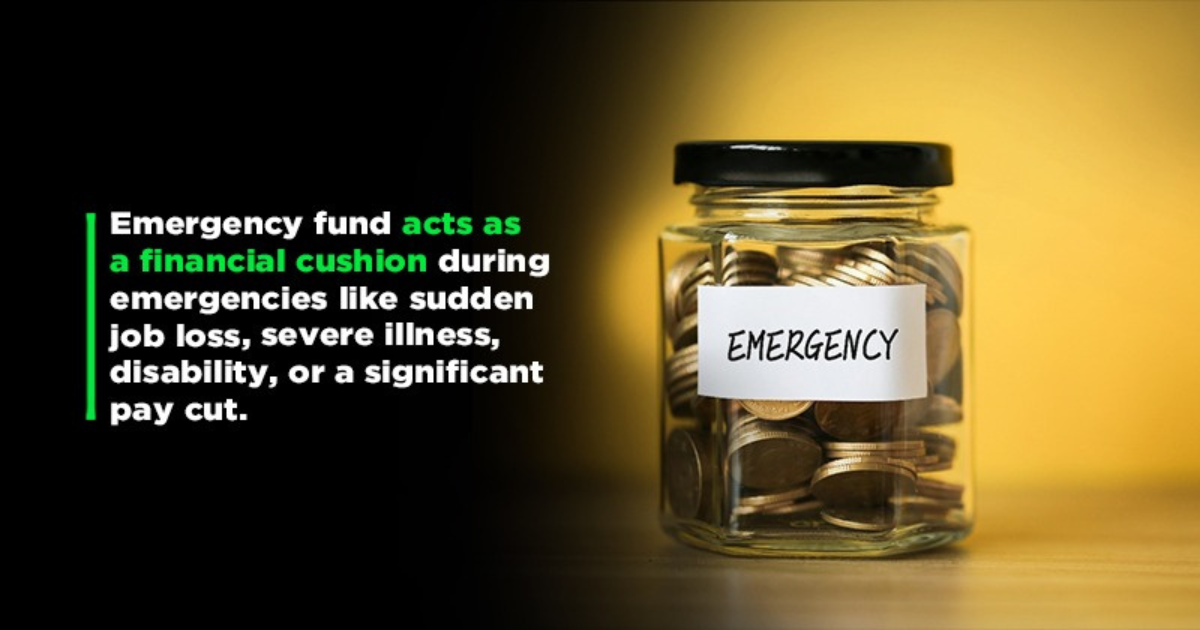
An emergency fund is your financial seatbelt: quiet, boring, and suddenly priceless when life throws a pothole your way. This guide gives a clear, practical plan you can follow (and drop straight into a blog) so your readers can build a buffer that actually works.
Why you need one
An emergency fund covers unexpected costs (job loss, medical bills, urgent car/home repairs) without forcing bad choices like high-interest borrowing or selling investments at the worst time. It reduces stress and keeps long-term plans on track.
Step 1 — calculate your “essentials” baseline
Work out monthly essential expenses only: rent/mortgage, utilities, groceries, insurance, minimum debt payments, transport, and essential childcare/health costs. Don’t include discretionary spending (streaming, dinners out, hobbies).
Example: if essentials = £1,500/month, then:
-
3 months = £4,500
-
6 months = £9,000
(How many months to aim for depends on your situation — see Step 3.)
Step 2 — pick the right target for you
Common rules of thumb:
-
Starter fund: £500–£1,000 (or equivalent) — immediate buffer for small shocks.
-
Short-term security: 3 months’ essential expenses — good for stable employees.
-
Full safety net: 6 months’ essential expenses — recommended for most households.
-
Larger buffer: 9–12 months or more — for freelancers, contractors, or anyone with unstable income.
Tip: aim to hit the starter fund quickly, then grow toward your full target.
Step 3 — prioritize (starter fund → high-interest debt → full fund)
If you carry very high interest debt (credit cards, payday loans), use a hybrid approach:
-
Build a starter fund fast (so you don’t deepen debt with small emergencies).
-
Tackle the high-interest debt aggressively while continuing small, regular contributions to the emergency fund.
-
Once high-interest debt is under control, focus on reaching the full emergency target.
This balances protection and cost-saving.
Step 4 — choose the right place to keep the fund
Your emergency cash must be safe and instantly accessible:
-
Instant-access savings account or money market account with no withdrawal penalties.
-
Keep it separate from your checking account to reduce temptation (different bank/account name helps).
-
Avoid volatile investments (stocks) for this money — capital risk and short-term loss make them unsuitable.
-
Keep amounts within your country’s deposit-protection limits (so the money is fully protected).
Step 5 — automate contributions
Make saving automatic: set up a standing order or automatic transfer on payday. Small, consistent amounts beat sporadic large deposits.
Practical targets:
-
Start with an achievable amount (e.g., 5% of net pay) and increase it as you reduce other costs or get raises.
-
Or use round-up apps and funnel the change into your emergency account.
Step 6 — speed up progress with smart moves
-
Temporarily cut one discretionary expense (subscription, weekly takeout) and redirect the savings.
-
Use windfalls (tax refunds, bonuses) to bulk up the fund.
-
Consider a side gig for a few months dedicated solely to the emergency pot.
Step 7 — when to use it — and when not to
Use it for: job loss, emergency medical bills, urgent car/home repairs, unexpected essential expenses.
Not for: planned purchases (holidays, new phone), investments, or recurring lifestyle upgrades. Treat planned goals with separate sinking funds.
Step 8 — after you use it, rebuild ASAP
If you dip into the fund, restart contributions immediately and prioritize rebuilding to your original target within a set timeframe (e.g., 3–6 months).
Quick checklist (copyable for your blog)
-
Calculate monthly essential expenses.
-
Set a target (starter fund; 3, 6 or 9 months).
-
Open a separate instant-access savings account.
-
Automate transfers each payday.
-
Tackle high-interest debt while building the fund.
-
Use windfalls and side-earnings to accelerate saving.
-
Rebuild promptly after any withdrawal.
Final tips
-
Keep the fund visible but separate — a named account like “Emergency Fund” helps.
-
Review the target annually (income, dependents, job stability can change).
-
Consider insurance (income protection, critical illness) to reduce the burden on the emergency fund for large, rare events.