Beginner’s Guide to Strategy Games: How to Get Started and Improve
Strategy games challenge players to think ahead, manage resources, and make smart decisions under pressure. From real-time battles to turn-based planning, strategy games reward patience, planning, and adaptability rather than fast reflexes. If you are new to the genre, this beginner’s guide will help you understand the basics and build a strong foundation.
1. What Are Strategy Games?
Strategy games focus on decision-making, long-term planning, and tactical execution. Instead of relying on quick reactions, players must outthink opponents by managing armies, economies, or territories. Popular strategy subgenres include:
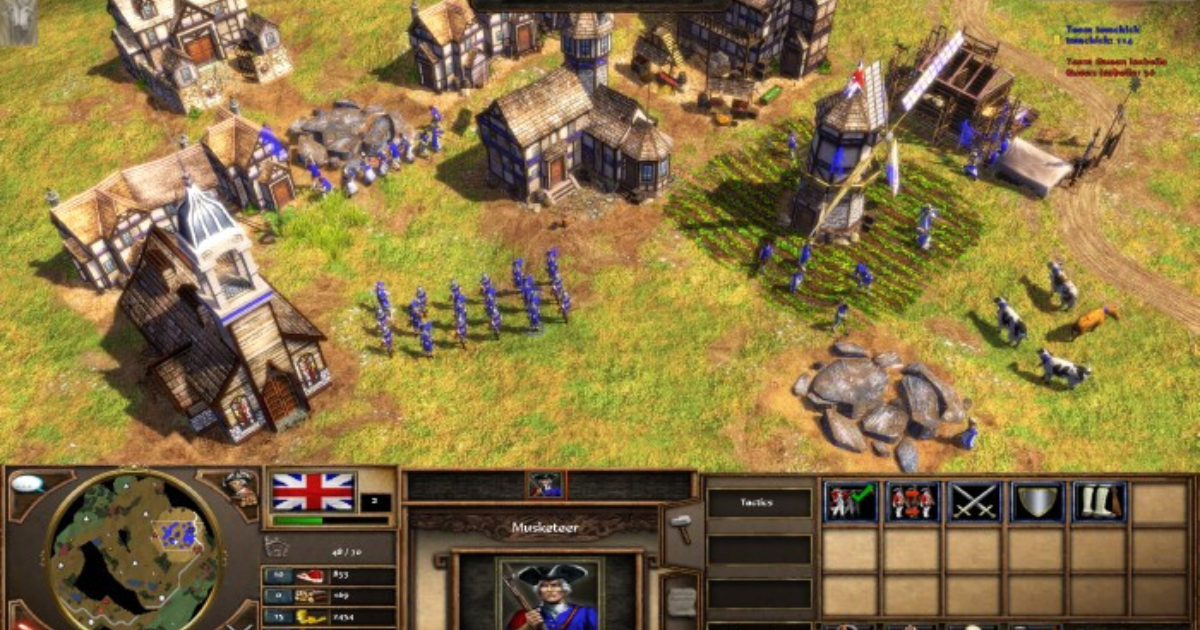
- Real-Time Strategy (RTS): Games like StarCraft and Age of Empires, where everything happens in real time.
- Turn-Based Strategy (TBS): Games such as Civilization and XCOM, where players take turns making moves.
- Grand Strategy: Large-scale games like Crusader Kings and Europa Universalis that focus on diplomacy, politics, and empire management.
Understanding the type of strategy game you are playing helps you approach it with the right mindset.
2. Learn the Basics Before Playing
Before jumping into a full match, take time to complete the tutorial or beginner missions. Tutorials explain core mechanics such as movement, combat, resource management, and victory conditions. Skipping this step can make the game feel overwhelming, especially for new players.
3. Focus on Resource Management
Resources are the backbone of most strategy games. Whether it’s gold, food, energy, or population, managing resources efficiently is key to success. Beginners should avoid spending everything too quickly. Instead, focus on:
- Steady resource production
- Balancing income and expenses
- Saving resources for upgrades or emergencies
Good resource management allows you to adapt when situations change.
4. Master the Economy First
A strong economy often matters more than a large army. Many beginners make the mistake of rushing military units without building enough infrastructure. Invest early in economic buildings or upgrades to ensure long-term growth. A stable economy gives you the flexibility to recover from losses and launch stronger attacks later.
5. Understand Units and Counters
Most strategy games use a counter system where certain units are strong against others. For example, cavalry may defeat archers, while spearmen counter cavalry. Learning these relationships helps you build effective armies and avoid unnecessary losses. Take time to read unit descriptions and experiment during practice matches.
6. Play Defensively at First
New players often lose by attacking too early. Instead, focus on defending your base, scouting enemies, and understanding the map. Defensive play allows you to learn enemy behavior and identify weak points before committing to an attack.
7. Use Scouting and Map Awareness
Information is power in strategy games. Scouting reveals enemy positions, resource locations, and potential threats. Keep an eye on the minimap and regularly check what your opponent is doing. This prevents surprise attacks and helps you plan your next move.
8. Learn From Defeat
Losing is part of learning strategy games. Instead of getting frustrated, review what went wrong. Did you run out of resources? Was your army composition weak? Learning from mistakes is one of the fastest ways to improve.
9. Start With Single-Player or AI Matches
Before playing online, practice against AI opponents. This allows you to experiment without pressure. Increase difficulty gradually as your confidence grows.
Conclusion
Strategy games reward thoughtful planning, patience, and learning from experience. By understanding the basics, managing resources wisely, mastering unit counters, and practicing consistently, beginners can quickly improve and enjoy the depth these games offer. With time and practice, strategy games become not just challenging, but deeply rewarding.