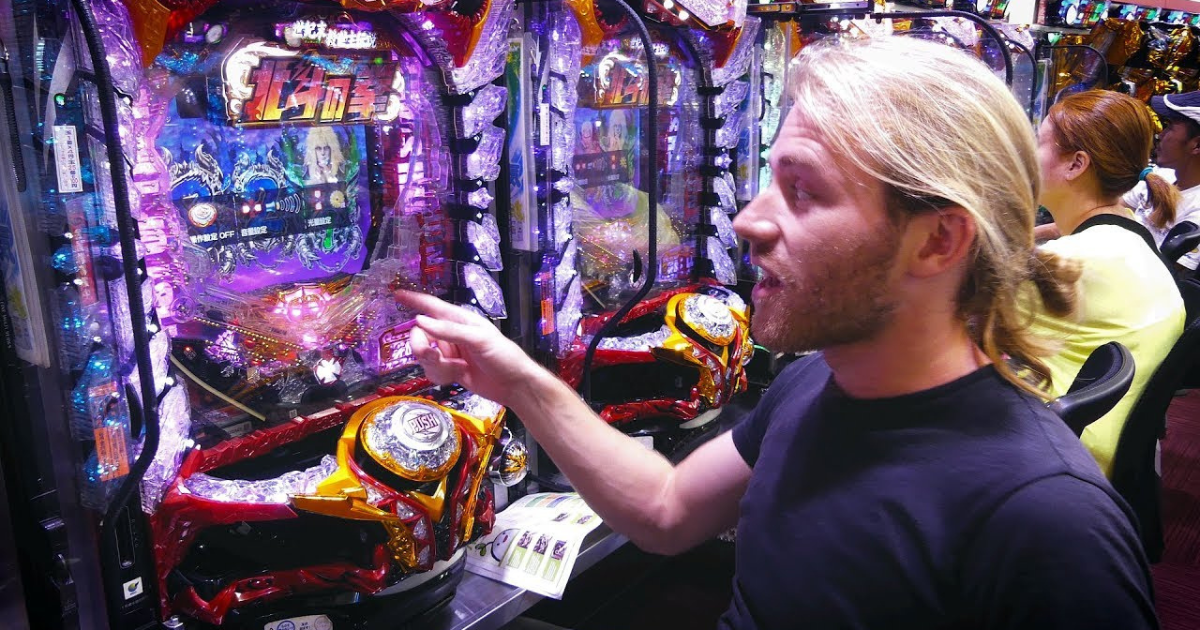
Pachinko Machines and Gaming Culture: Japan’s Unique Play Experience
Pachinko machines occupy a special place in gaming culture, blending entertainment, chance, and tradition into an experience found almost exclusively in Japan. Neither fully gambling nor purely gaming, pachinko has evolved over decades into a cultural phenomenon that continues to shape how people engage with play, reward, and social interaction.
Origins of Pachinko
Pachinko traces its roots to the early 20th century, inspired by Western mechanical games such as pinball. Introduced to Japan in the 1920s, pachinko quickly adapted to local tastes. By the post–World War II era, pachinko parlors had spread across the country, offering affordable entertainment during a time of economic recovery. Small steel balls, simple mechanics, and colorful machines made pachinko accessible to players of all ages.
Unlike traditional gambling, pachinko operates in a legal gray area. Players win balls rather than money, exchanging them for prizes that can later be traded for cash at separate locations. This structure allowed pachinko to flourish under Japan’s strict gambling laws and helped embed it deeply into everyday culture.
Evolution into a Gaming Experience
Early pachinko machines were entirely mechanical, relying on gravity, springs, and player timing. Over time, they evolved dramatically. Modern pachinko machines resemble video game cabinets, complete with LCD screens, animated cutscenes, licensed characters, and surround sound. Popular anime, manga, and video game franchises frequently appear, turning pachinko into a form of interactive media consumption.
This evolution transformed pachinko from a passive pastime into a visually intense gaming experience. Players are no longer just watching balls fall; they are engaging with narratives, mini-games, and dramatic visual effects that heighten anticipation and excitement.
Pachinko Parlors as Social Spaces
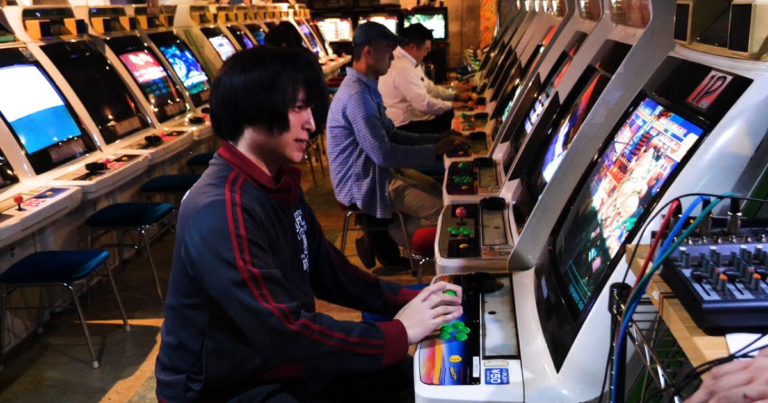
Pachinko parlors are a defining feature of urban and suburban Japanese landscapes. Brightly lit and filled with sound, these spaces function as social hubs much like arcades once did. Regular players often develop routines, visiting familiar parlors and forming unspoken communities with fellow players.
Despite the noisy environment, pachinko offers a solitary yet shared experience. Players sit side by side, focused on their machines, united by the rhythm of spinning reels, flashing lights, and cascading balls. This balance between isolation and community mirrors many modern gaming experiences.
Influence on Gaming Culture
Pachinko has influenced gaming culture in subtle but significant ways. Its reward systems, flashing indicators, and escalating tension resemble mechanics found in modern video games, including loot boxes, gacha systems, and chance-based rewards. These parallels highlight how pachinko helped normalize randomized reward structures long before they became common in digital games.
Additionally, pachinko’s integration of licensed content paved the way for cross-media gaming experiences. Anime- and game-themed pachinko machines demonstrate how intellectual properties can extend beyond traditional formats, creating new revenue streams and fan engagement opportunities.
Controversy and Changing Perceptions
Despite its popularity, pachinko has long been controversial. Critics point to addiction concerns, economic strain on players, and its ambiguous legal status. In recent years, declining participation and increased regulation have challenged the industry, especially as younger generations gravitate toward mobile and online games.
In response, pachinko manufacturers have experimented with hybrid machines, skill-based elements, and collaborations with popular gaming franchises to remain relevant in a rapidly changing entertainment landscape.
A Cultural Legacy
Pachinko remains a powerful symbol of Japan’s unique approach to gaming and entertainment. It represents the intersection of tradition, technology, and human psychology, offering insight into how games can reflect cultural values and social structures. While its future may be uncertain, pachinko’s influence on gaming culture is undeniable.