Street Fighter’s Global Legacy: How One Game Changed Fighting Games Forever
Few video game franchises have achieved the cultural and competitive impact of Street Fighter. Since its debut in the late 1980s, Capcom’s iconic fighting series has not only defined its genre but also shaped global gaming culture. From arcades and home consoles to esports stages and pop culture, Street Fighter’s legacy extends far beyond the screen.
The Birth of a Genre Icon
The original Street Fighter was released in 1987, but it was Street Fighter II in 1991 that transformed the franchise into a global phenomenon. Introduced in arcades worldwide, the game revolutionized competitive gaming with its six-button control scheme, distinct character rosters, and special move inputs. For the first time, players could choose fighters with unique playstyles, encouraging strategy and mastery.
Arcades became social arenas where players challenged strangers, formed rivalries, and honed their skills. This competitive spirit laid the foundation for modern fighting games and multiplayer competition.
Defining Gameplay Mechanics
Street Fighter established many mechanics that are now standard in fighting games. Concepts such as combos, zoning, frame data, and character balance originated or were refined through the series. Iconic techniques like Ryu’s Hadouken or Chun-Li’s Lightning Kick became universally recognizable, even among non-gamers.
The franchise’s emphasis on precise inputs and timing rewarded practice and skill, making victories feel earned. This design philosophy elevated fighting games from simple entertainment to a test of mastery and strategy.
A Global Cast and Cultural Impact
One of Street Fighter’s most enduring strengths is its diverse cast of characters drawn from around the world. Fighters represent different countries, martial arts, and personalities, allowing players from various cultures to see themselves reflected in the game.
Characters such as Ryu, Ken, Chun-Li, Guile, and M. Bison became global pop culture icons. Their influence can be seen in movies, comics, merchandise, music, and even fashion. Street Fighter helped prove that video games could create characters as memorable as those in traditional media.
Street Fighter and Competitive Gaming
The franchise played a crucial role in the rise of competitive gaming and esports. Tournament scenes formed organically in arcades before evolving into organized global events. Competitions like the Evolution Championship Series (EVO) turned Street Fighter into a spectator sport, attracting players and fans from around the world.
Legendary players and iconic matches became part of gaming history, inspiring future generations of competitors. Street Fighter demonstrated that video games could be both competitive and culturally significant.
Evolution Without Losing Identity
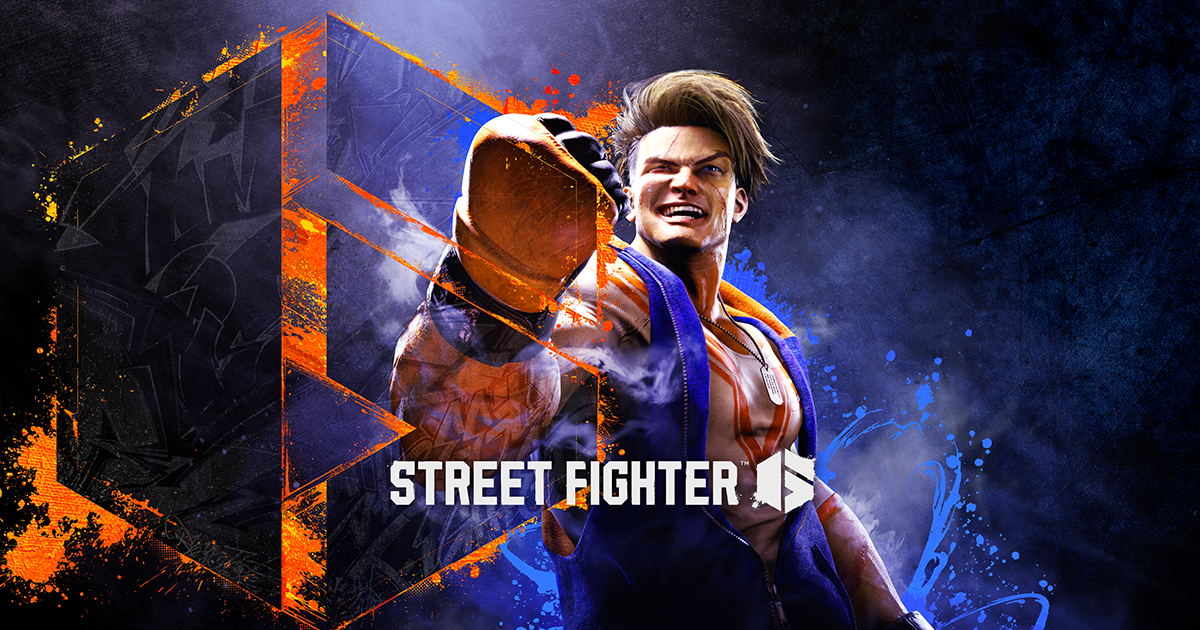
Over the years, Street Fighter has evolved while staying true to its core principles. Each new installment introduced updated visuals, mechanics, and balance changes while maintaining the series’ signature gameplay feel. Recent entries like Street Fighter 6 modernized the experience with improved accessibility, online features, and presentation, welcoming new players without alienating longtime fans.
This ability to adapt while honoring its roots has allowed the franchise to remain relevant for more than three decades.
Influence Beyond Its Own Series
Street Fighter’s influence extends far beyond its own franchise. Countless fighting games—both Japanese and international—have drawn inspiration from its mechanics and competitive structure. The franchise helped shape the fighting game community, influencing how tournaments are run, how games are balanced, and how players approach competition.
Final Thoughts
Street Fighter’s global legacy is built on innovation, competition, and cultural connection. It didn’t just define a genre—it created a worldwide community united by skill, rivalry, and respect. As new generations discover the franchise, Street Fighter continues to prove that great game design can transcend borders and stand the test of time.