Handheld Gaming Culture in Japan: Gaming on the Go
Japan has played a central role in shaping global gaming culture, and nowhere is this influence more visible than in its love for handheld gaming. From classic devices like the Game Boy to modern consoles such as the Nintendo Switch, handheld gaming has become deeply woven into everyday Japanese life. This culture reflects Japan’s lifestyle, commuting habits, and long-standing appreciation for portable entertainment.
The Rise of Handheld Gaming in Japan
Handheld gaming gained popularity in Japan during the late 1980s with the release of Nintendo’s Game Boy. Its portability, affordability, and impressive game library made it an instant success. Titles like Pokémon, Tetris, and The Legend of Zelda helped establish handheld consoles as essential companions for players of all ages.
Over time, Japanese companies continued to innovate. Devices such as the Nintendo DS, PlayStation Portable (PSP), and later the Nintendo 3DS expanded what handheld gaming could offer through touchscreens, dual displays, online connectivity, and multimedia features.
Gaming and Japan’s Daily Lifestyle
One of the key reasons handheld gaming thrives in Japan is the country’s commuting culture. Millions of people rely on trains and public transportation daily, often spending long periods traveling. Handheld consoles provide an ideal way to pass time during commutes, offering immersive entertainment in compact form.
It is common to see commuters playing games on their handheld devices while maintaining quiet, respectful behavior. This aligns well with Japan’s social norms, where silent, personal entertainment is preferred in public spaces.
Popular Handheld Games in Japan
Handheld gaming in Japan often emphasizes games designed for shorter play sessions. Role-playing games, puzzle games, visual novels, and simulation titles are especially popular. Franchises such as Pokémon, Monster Hunter, Animal Crossing, and Dragon Quest have enjoyed massive success on handheld platforms.
Multiplayer features also play an important role. Local wireless connectivity allows players to connect with friends nearby, encouraging social interaction without disrupting public spaces.
Cultural Acceptance and Social Impact
Unlike in some countries where gaming is sometimes viewed negatively, handheld gaming in Japan is widely accepted across age groups. Students, office workers, and even older adults engage in portable gaming without social stigma. This acceptance has helped normalize gaming as a legitimate leisure activity rather than a niche hobby.
Handheld gaming also fosters community. Events, game launches, and local multiplayer gatherings bring fans together, strengthening social bonds through shared interests.
Evolution with Smartphones and the Nintendo Switch
The rise of smartphones introduced mobile gaming to a wider audience, further reinforcing Japan’s portable gaming culture. Mobile games with gacha mechanics and live-service models became hugely popular, especially among casual players.
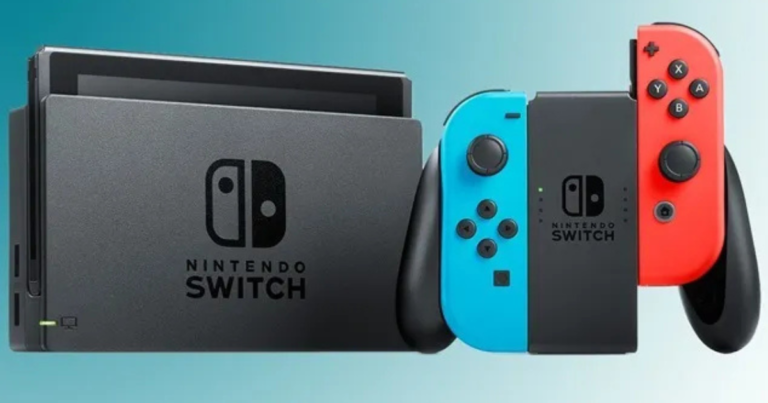
The Nintendo Switch blurred the line between handheld and home console gaming. Its hybrid design perfectly matches Japan’s gaming habits, allowing players to enjoy console-quality games both at home and on the go.
Influence on Global Gaming Trends
Japan’s handheld gaming culture has influenced game design worldwide. Developers increasingly focus on portable-friendly mechanics, flexible play sessions, and cross-platform experiences. Japanese innovation continues to shape how players interact with games in modern life.
Final Thoughts
Handheld gaming culture in Japan is more than a technological trend—it is a reflection of lifestyle, convenience, and cultural values. By embracing portability, accessibility, and social connection, Japan has created a gaming environment that fits seamlessly into everyday life. From crowded train platforms to quiet cafés, handheld gaming remains a defining feature of Japan’s gaming identity and a lasting influence on the global gaming industry.