The Success of the Nintendo Switch in Japan
Since its launch in 2017, the Nintendo Switch has become one of the most successful gaming consoles in Japan’s history. While the system achieved global popularity, its impact in Japan has been especially significant, consistently outselling competitors and dominating software charts. The Switch’s success is not accidental—it is the result of Nintendo’s deep understanding of Japanese lifestyles, gaming culture, and market expectations.
A Perfect Fit for Japanese Lifestyles
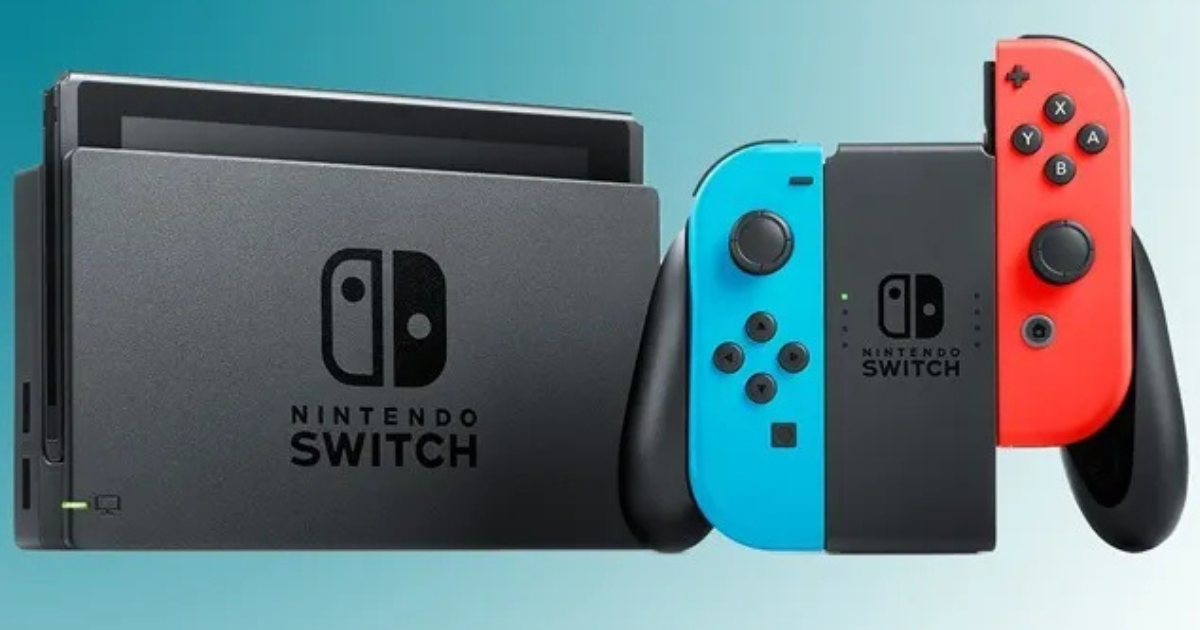
One of the most important reasons for the Switch’s success in Japan is its hybrid design. The ability to seamlessly switch between handheld and home console modes directly addresses the needs of Japanese players. Japan’s urban population relies heavily on public transportation, creating long daily commutes that are ideal for portable gaming. At the same time, the option to dock the system at home allows players to enjoy console-quality experiences without purchasing a separate device.
This flexibility made the Switch immediately appealing, especially compared to traditional home consoles that require fixed setups and extended play sessions.
Strong Handheld Gaming Tradition
Japan has a long history of embracing handheld consoles, from the Game Boy to the Nintendo DS and PlayStation Portable. The Switch naturally builds on this legacy. For many Japanese consumers, portable gaming is not a secondary option—it is the preferred way to play.
By delivering a handheld system capable of running full-scale console games, Nintendo effectively merged nostalgia with modern expectations. This continuity helped the Switch gain rapid adoption among long-time Nintendo fans while attracting younger players who grew up with portable gaming.
First-Party Games That Drive Hardware Sales
Nintendo’s powerful lineup of first-party titles has been a major factor in the Switch’s success. Games like The Legend of Zelda: Breath of the Wild, Animal Crossing: New Horizons, Splatoon 2 and 3, and Pokémon Sword and Shield resonated strongly with Japanese audiences.
These games reflect local tastes, emphasizing colorful art styles, social interaction, and accessible gameplay. Titles such as Animal Crossing became cultural phenomena in Japan, especially during the COVID-19 pandemic, reinforcing the Switch as a must-own device rather than just another console.
Social and Local Multiplayer Appeal
The Switch excels at social gaming, a core aspect of Japanese gaming culture. Features like detachable Joy-Cons and local wireless play make it easy for friends and family to play together anywhere. Games such as Mario Kart 8 Deluxe and Super Smash Bros. Ultimate thrive in group settings, from households to casual gatherings.
This focus on shared experiences aligns with Japan’s strong preference for local multiplayer over online-only interaction, further strengthening the Switch’s appeal.
Compact Design and Space Efficiency
Japanese homes often have limited space, particularly in urban areas. The Switch’s small footprint, minimal cables, and portable form make it far more practical than large, stationary consoles. It fits comfortably into modern living environments without demanding dedicated gaming rooms or large televisions.
This practicality lowers the barrier to entry, making the Switch appealing to casual players, families, and even non-traditional gamers.
Smart Pricing and Accessibility
Compared to high-end home consoles, the Nintendo Switch launched at a relatively affordable price point. Nintendo also introduced the Switch Lite, a lower-cost handheld-only model that further expanded the system’s reach. This tiered approach made the Switch accessible to students, commuters, and budget-conscious consumers across Japan.
Conclusion
The Nintendo Switch succeeded in Japan because it was designed with the country’s unique gaming culture and lifestyle in mind. Its hybrid functionality, strong handheld roots, iconic first-party games, social gaming focus, and practical design all contributed to its dominance. Rather than following industry trends, Nintendo embraced what Japanese players value most—flexibility, accessibility, and shared enjoyment. As a result, the Switch became not just a console, but a defining part of modern gaming in Japan.