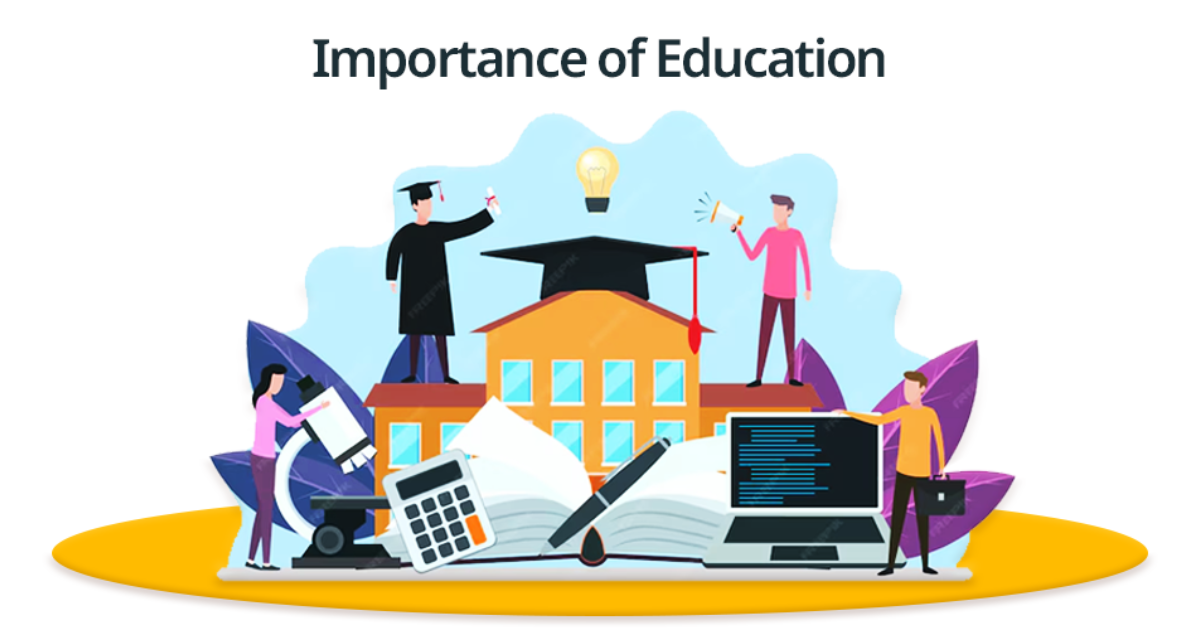
Education has always been a cornerstone of human progress, but in today’s rapidly changing world, its importance is greater than ever. Modern society depends on informed, skilled, and adaptable individuals who can contribute meaningfully to economic development, social harmony, and global understanding. Education is no longer just a pathway to personal success—it is a critical force shaping communities, nations, and the future of the world.
Building Knowledge and Critical Thinking
At its core, education equips individuals with the knowledge they need to understand the world. From basic literacy and numeracy to advanced subjects like technology, science, and economics, education provides the foundation on which people build their lives. But beyond facts and figures, modern education emphasizes critical thinking, problem-solving, and analytical skills.
In a world flooded with information, the ability to think independently and evaluate what is true has become essential. Education helps individuals navigate digital environments, distinguish reliable sources from misinformation, and make well-informed decisions. These skills empower people to participate more effectively in personal, professional, and civic life.
Driving Economic Growth and Innovation
Education is a key driver of economic development. Societies with educated populations are more innovative, productive, and capable of adapting to new technologies and industries. Skilled workers support strong economies by contributing to sectors like healthcare, engineering, business, science, and digital technology.
In the modern knowledge-based economy, many of the fastest-growing jobs require specialized training or higher education. Countries that invest in education often experience higher employment rates, stronger entrepreneurship, and increased competitiveness in the global market. Simply put, education fuels innovation—and innovation fuels progress.
Promoting Social Equality and Reducing Poverty
One of the most powerful impacts of education is its ability to reduce poverty and promote social equality. Education opens doors to better job opportunities, higher incomes, and stable living conditions. It empowers individuals to break cycles of inequality that may have existed for generations.
Moreover, education promotes fairness by giving everyone, regardless of gender, background, or socioeconomic status, a chance to succeed. Schools and universities create environments where people from diverse cultures and communities learn together, fostering tolerance, respect, and social cohesion. When education is accessible and inclusive, society becomes more just and equitable.
Strengthening Democracy and Civic Participation
A strong, healthy democracy relies on educated citizens who understand their rights, responsibilities, and the importance of active participation. Education teaches individuals about governance, law, human rights, and the value of civic engagement.
In modern society, educated citizens are more likely to vote, participate in community initiatives, and hold government institutions accountable. They are better equipped to evaluate political information, resist manipulation, and contribute to constructive public debate. Through civic education, societies cultivate responsible, informed citizens who help build stronger democratic systems.
Enhancing Personal Development and Life Skills
Beyond academics, education plays a significant role in shaping personal growth and character. Schools and universities teach essential life skills such as communication, teamwork, leadership, time management, and emotional intelligence. These skills are crucial for personal success and healthy relationships.
Education also nurtures creativity and curiosity. It encourages individuals to explore new interests, pursue passions, and develop a lifelong love of learning. This not only enriches personal fulfillment but also contributes to mental well-being and resilience.
Preparing Individuals for a Changing World
The modern world is changing at a rapid pace—technologically, environmentally, and socially. Education prepares individuals to adapt to these changes by promoting digital literacy, environmental awareness, cultural understanding, and global citizenship.
In an era of automation and artificial intelligence, continuous learning has become essential. Education teaches people how to learn, unlearn, and relearn—skills that help them stay relevant and thrive in a dynamic environment.
Conclusion
Education is the foundation of modern society. It builds knowledgeable citizens, drives economic growth, reduces inequality, strengthens democracy, and enriches personal lives. As the world becomes more interconnected and complex, the value of education continues to rise. Investing in education means investing in a brighter, more prosperous, and more inclusive future for all.